Leviticus
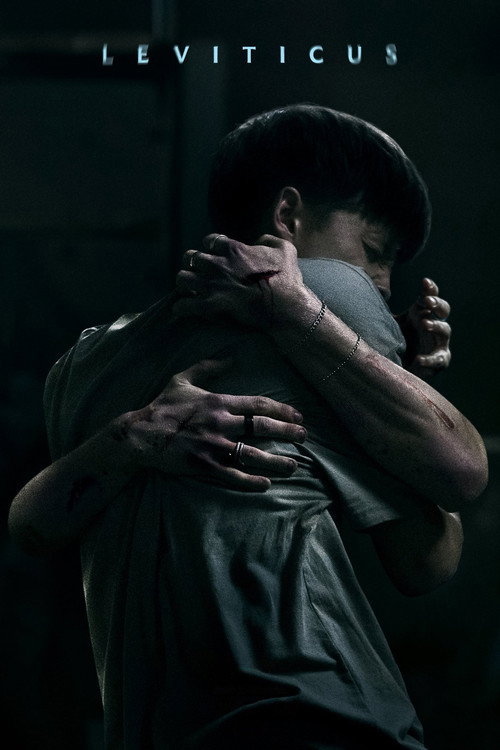
Two teenage boys in a small, devoutly religious town explore a forbidden relationship. After being subjected to a local ritual meant to 'cure' them, they unleash a patient, omnipresent, and inescapable entity that thrives in the normalcy of their everyday lives.
- Horror
- supernatural
- psychological
- horror
- thriller
Horror Elements at a Glance
Leviticus
Leviticus (2026), from director Adrian Chiarella, is a quiet, tense story that grounds its horror in a place many people will recognize, even if they don’t want to. Starring Joe Bird and Stacy Clausen, the film centers on two teenage boys in a small, devoutly religious town exploring a relationship that their community would never accept. When they are subjected to a local ritual meant to "cure" them, they unleash something that is patient, omnipresent, and inescapable.
A Familiar Prayer
The premise immediately brought to mind the novel Camp Damascus, so I was braced for a story about conversion therapy. I expected it might lean into familiar tropes like possession or a simple "good kids turned evil" plot, but I’m glad it didn’t. The film I got was much smarter, delivering exactly what the trailer promised without any gimmicks. It avoided the easy clichés and instead focused on telling a complete, compelling story that stayed with me long after it was over.
The Unseen Congregation
What makes Leviticus so effective is its commitment to existential dread. The threat here isn’t a creature with claws or fangs; it’s something you can’t outrun because it blends into the everyday. The film reminded me of It Follows in the way it creates a constant, ominous feeling that the danger is always with you, just out of sight. The horror comes from the sheer normalcy of what the characters are up against, which makes the whole situation feel grounded and all the more terrifying. It’s a minimalist approach that doesn’t need to rely on monsters or a lot of CGI to create suspense.
I was never "fear scared" in the way a jump scare gets you, but there were plenty of moments of pure tension where I was eager to know what was going to happen next. The film is a slower burn than most, but it’s purposeful. It carefully builds a sense of unease that settles in and doesn’t let go. There are a few moments of violence that drive home the ugliness of the situation, but they’re used to serve the story, not for shock value. This isn't a high body count movie, and it’s stronger for it.
In His Image
The film rests heavily on the shoulders of its two leads, and they deliver. They have the difficult job of playing two very different versions of their characters, and they both pull it off incredibly well. Their chemistry felt a little cautious at times, which I think mostly works. These are anxious kids exploring something new and forbidden, and that slight awkwardness feels authentic. At the same time, I think a slightly richer connection could have made the emotional stakes even more profound. But it’s a minor observation, not a failing that hurts the movie over all.
The story also smartly explores how grief can make people vulnerable to extremism. One character’s mother, lost after the death of her husband, turns to her faith for answers and ends up justifying terrible things done to the person she’s supposed to love and protect. This social commentary is woven into the plot so naturally that it never feels preachy; it just feels true. The movie presents its themes about the treatment of queer individuals thoughtfully, creating a story that should resonate without ever pandering.
A Slower, Sharper Sermon
The production here is professional and competent. It doesn't feel like a low-budget indie film, but it also doesn't rely on flashy effects. The cinematography and score do their job to support the ominous atmosphere, but the sound design is where the craft really shines. In several scenes, the use of glitching, static audio gives the tension a sharp, unsettling edge that really stands out.
I also appreciated the pacing. Leviticus takes its time at the beginning, letting you get to know the characters and their small-town world before the horror truly begins. Usually, I prefer movies to get to right the point, but here it worked for me. The slow start builds a strong foundation, so when things start to go wrong, the transition feels like a natural flow rather than a sudden shift. You care about these kids, and that makes what happens to them matter.
Who Should Answer the Call
Leviticus is definitely not for viewers who need a lot of action or gore. There are no jump scares, no rampaging slashers, and no big monster reveals. It’s a minimalist horror film at its core.
This film is for anyone who loves slow-burn, atmospheric horror that prioritizes creeping dread over cheap scares. If you’re a fan of movies like It Follows or appreciated the themes in the book Camp Damascus, this is right up your alley. It’s a thoughtful, well-told story that stands on its own as a great horror film, regardless of whether you’re specifically looking for queer stories.
I would absolutely watch this again. It’s the kind of compelling movie that you could revisit to catch new details or share with friends who you know will connect with its message. It’s a bit too somber for a casual party movie, but it’s perfect for a thoughtful October watch with people who appreciate a story with depth.
At Horror.Exchange, we know some threats don’t need a monster. Sometimes, the most terrifying thing is what people will do in the name of faith.
Acting
The two leads have to play very different versions of their characters, and they pull it off—their chemistry felt a little cautious at times, which actually works, since these are anxious kids exploring something forbidden.
Atmosphere
The film reminded me of It Follows in how it builds a constant, ominous feeling that the danger is always with you, just out of sight.
Cinematography
The camera work is solid and does its job supporting the tone, without being the film's standout element.
Genuine Fear Suspense
Without any jump scares or a traditional monster, the film still kept me tense and eager to know what would happen next—it's suspense over shock, and it works.
Gore Factor
There are a few moments of violence that drive home the ugliness of the situation, but they're there to serve the story, not for shock value—this isn't a high body count movie, and it's stronger for it.
Immersibility
The grounded, believable small-town setting made the fantastical elements easy to accept without ever breaking the spell.
Jump Scares
I was never "fear scared" the way a jump scare gets you—there aren't any here—but there were plenty of moments of pure tension where I was eager to see what happened next.
Music Soundtrack
The score itself is fairly standard, but the sound design does the real work—the glitching, static audio in key scenes gives the tension a sharp, unsettling edge.
Pacing
Leviticus takes its time at the start, letting me get to know the characters before the horror truly begins—normally I prefer movies to get to the point faster, but here the slow build made the eventual turn feel like a natural flow instead of a sudden shift.
Practical Effects C G I
This is a minimalist film that doesn't lean on effects or CGI to build suspense; it earns its dread through atmosphere instead.
Social Commentary
The way grief turns into extremism, especially through the mother who turns to faith after losing her husband, never feels preachy; it just feels true, and that restraint is what makes the message about how queer people are treated land.
Symbolism Themes
This premise immediately reminded me of Camp Damascus, and I was glad the film didn't lean on easy conversion-therapy clichés—the allegory is handled with more care than that.
Villain Monster Quality
The threat here isn't a creature with claws or fangs; it's something that blends into the everyday and that you can't outrun, which made it feel far more dangerous than a monster with a face.
Official Trailer
About the Reviewer

A lifelong horror fan with a particular obsession with supernatural horror and sci-fi. Josh approaches every review from the perspective of a genuine enthusiast, not a critic, instead asking the questions that actually matter: does it scare you, does it linger, and is it worth your time?