The Long Walk
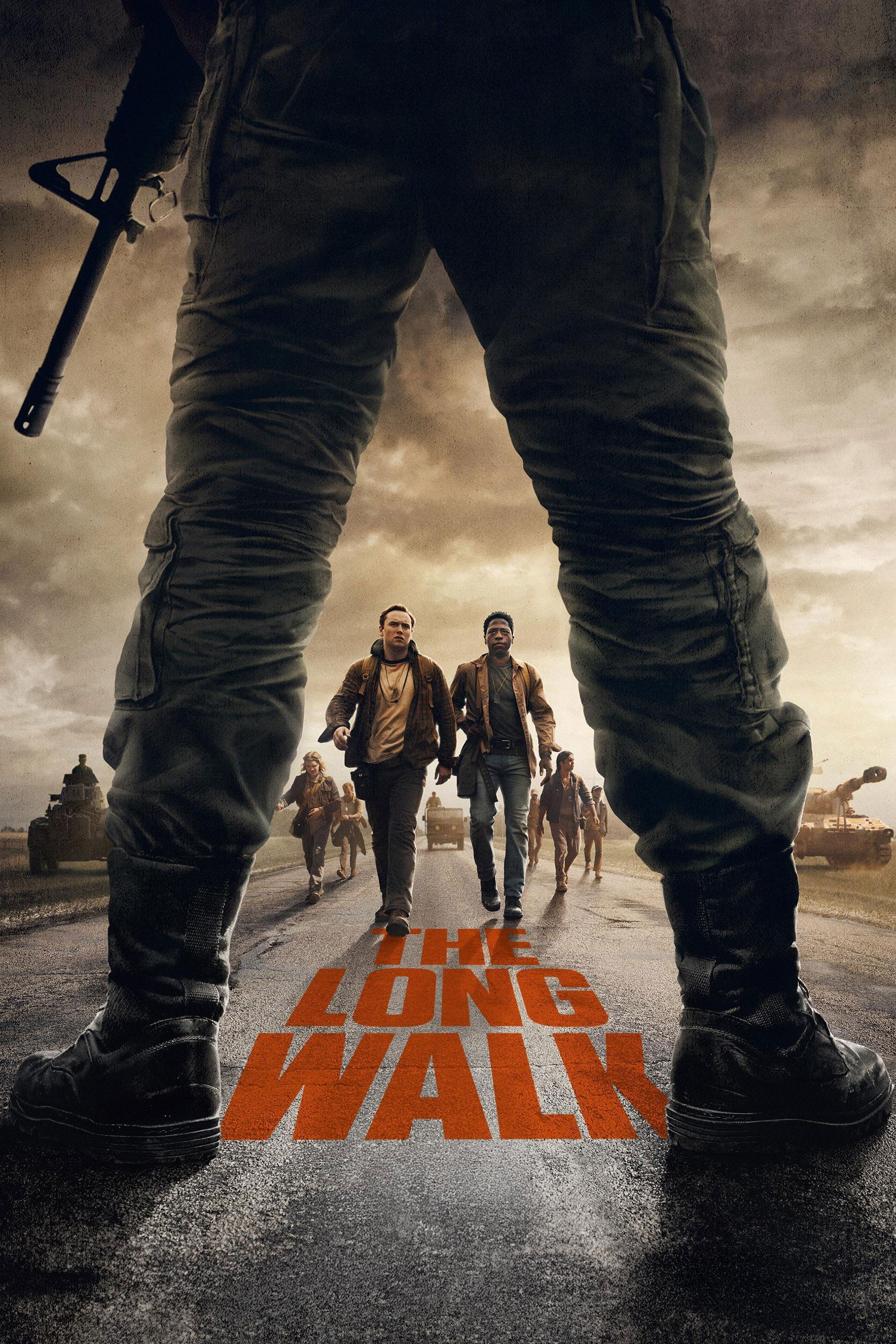
In a dystopian America, a group of boys participates in an annual walking contest where they must maintain a strict pace or face permanent elimination.
- Horror
- dystopian horror
- psychological horror
- survival horror
Horror Elements at a Glance
The Long Walk
Imagine a world where your life hangs on every step. Where entertainment is fueled by desperation, and the only way out is to keep walking. The Long Walk is a harrowing adaptation of Stephen King's novella, and it's a journey you won't soon forget.
It’s built on a simple, grim premise: in a dystopian America, a group of boys competes in an annual walking contest. The rules are simple. Maintain a certain pace. If you slow down, you get a warning. Get too many warnings, and you're out. Permanently. It’s a faithful, gut-wrenching take on the source material, and left me with a truly profound emotional hangover.
The Company You Keep
Knowing the basic story, I wasn't surprised by the destination, but that in no way ruins the journey. The film is incredibly engaging because it’s a conversational one, driven by its characters. It could have been a huge risk to shoot an entire movie on one road, but it succeeds because the focus is always on the boys. They’re competitors in a game where only one can survive, yet they still manage to forge real bonds. They’re all in it together, and you feel that connection as they share stories and support each other against the inevitable.
An Open-Air Prison
Even though the story takes place in the open countryside, it feels incredibly claustrophobic. The filmmaking does a fantastic job of capturing this. The boys are in an endless, open space, but they’re bottled in. There is nowhere to go. You just have to walk. The world-building is subtle but terrifyingly believable. It doesn't over-explain how society got here; it just shows you a world where economic collapse has made this insane contest a desperate reality. You never question it, which makes the quiet, unsettling shots of families watching from the roadside even more chilling.
The Face of the State
The performances are fantastic across the board, but the standout was definitely Mark Hamill as The Major, the man running the walk. He plays the part with a chilling restraint. He isn't a cartoon villain or a caricature; he’s arrogant and bureaucratic, embodying the cold, detached essence of the state that created this nightmare. But he's not the true antagonist; the situation is. He’s just a symptom of the societal sickness, and the film is smart enough to never let you forget that.
The Horror of Knowing
This isn't a jump-scare movie. The horror comes from pure dread and psychological weight. The film shows you the violent consequences of the walk early on, immediately establishing the stakes. From that point on, you are in a constant state of fear for these characters. The real horror is watching a society that has become so desensitized that it consumes this tragedy as entertainment. The cheering crowds and people placing bets are a powerful commentary on our own world.
So, Should You Take This Walk?
This is a movie for people who like character-driven horror, where the scares come from the situation, not a monster. If you appreciated a film like The Shawshank Redemption for its focus on human connection in a brutal environment, you’ll find a lot to love here. It’s a story about people pushed to their absolute limit, not spectacle.
If you’re looking for something supernatural, action-packed, or filled with jump scares, this isn’t for you. It's a narrow story, and its power comes from that tight focus. While it’s not exactly a seasonal Halloween flick, it's a powerful film that will stick with you long after it's over. Definitely a film that demands to be revisited and discussed further.
The Long Walk is a masterclass in tension and tragedy that successfully translates a difficult story into a cinematic triumph. Until next time, keep your pace steady and watch your step.
Acting
The performances are fantastic across the board, but Mark Hamill as The Major is the standout—chilling restraint instead of cartoon villainy.
Atmosphere
Even out in open countryside, the film feels incredibly claustrophobic; there's nowhere to go, you just have to walk.
Cinematography
The quiet, unsettling shots of families watching from the roadside stuck with me as much as anything that happens to the boys themselves.
Genuine Fear Suspense
From the moment the film establishes the fatal consequences of falling behind, you're in a constant state of fear for these characters.
Gore Factor
The film shows you the violent consequences of the walk early on, immediately establishing the stakes, without ever feeling gratuitous about it.
Immersibility
The world-building is subtle but terrifyingly believable—it never over-explains how society got here, so you never question it, which makes it hit harder.
Jump Scares
This isn't a jump-scare movie at all—the horror comes from pure dread and psychological weight instead.
Music Soundtrack
The sound design and music stay in the background, supporting the mounting tension and the characters' fatigue without ever calling attention to themselves.
Pacing
It could have been a huge risk to shoot an entire movie on one road, but it works because the focus stays on the boys the whole way through.
Practical Effects C G I
The effects stay in service of the story and never become the focus, which fits a film that's really about its characters.
Social Commentary
The real horror is watching a society so desensitized it consumes this tragedy as entertainment—the cheering crowds and people placing bets are a powerful commentary on our own world.
Symbolism Themes
It's a story about people pushed to their absolute limit and the connections they still manage to forge along the way, not about spectacle.
Villain Monster Quality
Mark Hamill's Major isn't a cartoon villain; he's arrogant and bureaucratic, embodying the cold, detached essence of the state, and the film never lets you forget he's just a symptom of a larger sickness.
Official Trailer
About the Reviewer

A lifelong horror fan with a particular obsession with supernatural horror and sci-fi. Josh approaches every review from the perspective of a genuine enthusiast, not a critic, instead asking the questions that actually matter: does it scare you, does it linger, and is it worth your time?